

jahooo
-
Postów
10832 -
Dołączył
-
Ostatnia wizyta
Treść opublikowana przez jahooo
-
https://www.facebook.com/reel/700053222658932
-
i rzepak
-
uniwersalne
-
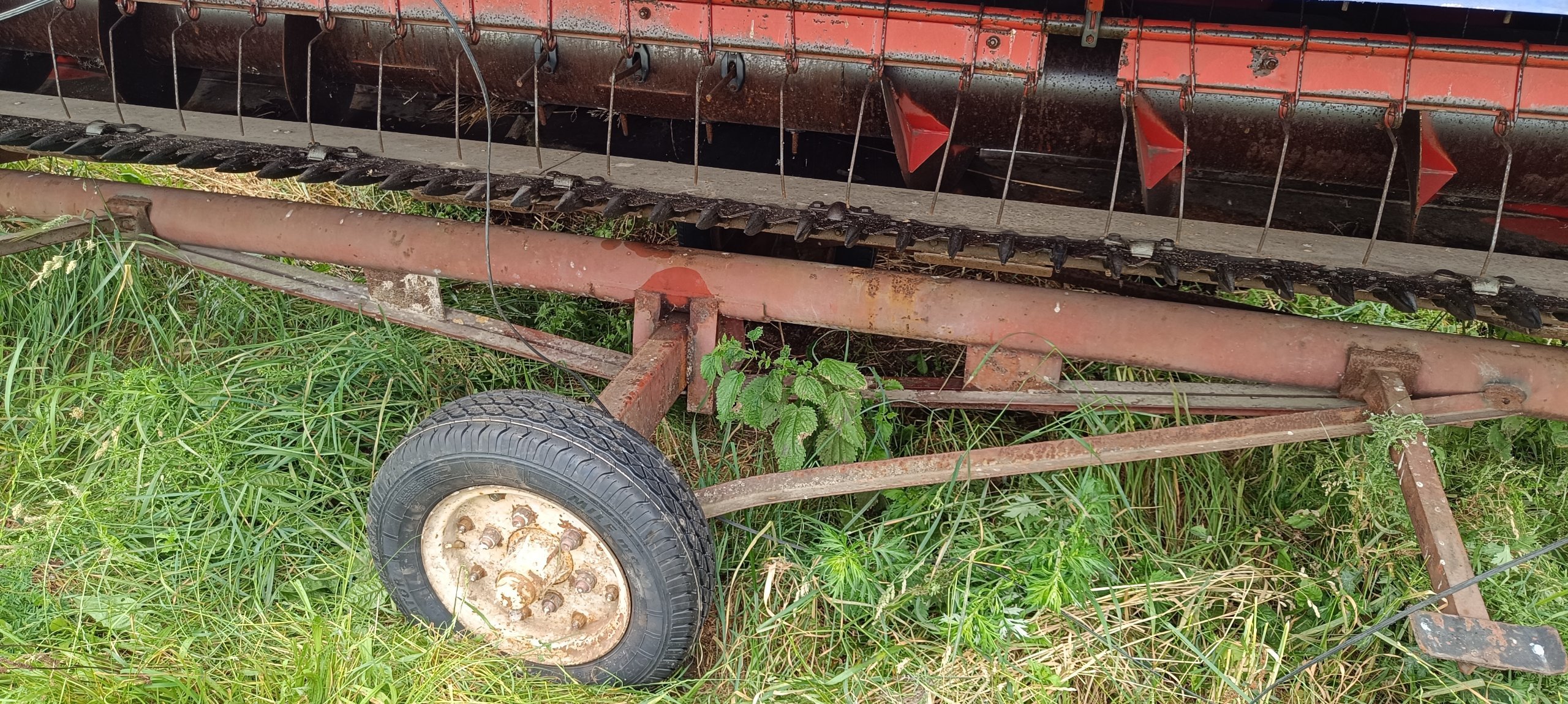
Wózek do hederu dostał nowe buty

-
Fajne, pewnie kosztuje tyle, co kombajn
-
tak, z wybranych fragmentów pola
-
tylko najstarsze wersje do 1969 roku miały maskę z okrągłą atrapą z przodu, potem już takie, jak ja mam
-
Jestem tak stary, że pamiętam te wszystkie odmiany pszenicy - jak która wyglądała, jak plonowała
- 14781 odpowiedzi
-
- 2
-

-
- pszenica
- pszenica ozima
- (i 2 więcej)
-
to wersja z komorą wirową, pracuje normalnie, tak , jak poprzedni silnik
-
czemu kombinował ? to orginalna maska z niego, trochę spanachana, w końcu to 1970 rocznik on u mnie zawsze tak wygląda - olej się nie leje, nie cieknie
-
Twojej żonie tez wszystkie przepisy zaczynają się w książce kucharskiej od "idź pożycz od sąsiadki kilo mąki ..." ??
-
Po wymianie całego silnika na drugi, na razie nie jest źle
-
Problem jest taki, że oni wciąż szacują eksport z Polski i zapasy na podstawie lewego zboża z Ukrainy. Myślę, że nie ma takich rekordowych zapasów, to wszystko tylko na papierze jak zapasy Elewarru za Sawickiego
-
wystarczy dyskusja na argumenty bez epitetów jak to mówili kiedyś - dżentelmenem jest ta osoba, która potrafi opisać urodę kobiety nie używając przy tym rak
-
współczuję, to się już raczej za wiele nie podniesie, zebrać to kombajnem - no da się, ale czssu naleci i paliwa się spali
-
-
o kierowcach TIR https://www.facebook.com/reel/736985045452354
-
Nawet jeśli orze się tak dobrze, jak po facelii, to ziemia jest wyciagnięta z wilgoci na wiór po poplonie to jest dobra strategia, jeśli końcówka sierpnia i wrzesień obfitują w opady inaczej siejesz i wschody jak u parszywego na głowie, a większość dopiero po większych deszczach
-

Znalezione na Allegro, olx i nie tylko 2025
jahooo odpowiedział(a) na superfarmer02 temat w Inne tematy
czterosuw jest fajny - jak nowy pamiętaj, że silnik czterosuwowy jest cięższy niż dwusów o tej samej mocy co do głośności - podobnie znam kilka osób co mają czterosuwy makity - kilka lat nic się nie dzieje, ale jak przychodzi do serwisowania - nie jest tanio, bo czterosuwy są mało popularne i trudniej o zamienniki -
Gdy cena na pszenicę niska, a jeść się chce :d https://www.facebook.com/reel/546043521882083
-
w latach 30-tych tez zamieniali w USA masowo konie na nowoczesnę ciągniki jak się to skończyło - wszyscy wiemy
-
może gdybyś ruszył głową, to dostrzegł byś, że siła nabywcza obywatela odnośnie dóbr typu samochód czy mieszkanie niewiele się zmieniła, natomiast to, że stac go na koszyk żywności od rolnika wynika tylko z tego, że ten rolnik od 20 lat dostaję tę samą stawkę za swoje produkty a koszty produkcji mu proporconalnie do inflacji wzrosły zawsze za ten "wzrost" ktoś musi zapłacić i tu akurat za cały "dobrobyt" w biedronkachczy lidlach zapłacili rolnicy
-
popatrz na notowania pszenicy - kapitał już się tam rzucił
-
przeczytaj dokłądnie - w oleju da sie wykryć resztki glifosatu, a w przeprowadzonych w kraju kilku próbach w laboraturium w krótymś tam roku resztek glifosatu nie stwierdzono oznacza to tylko tyle, że przeprowadzono losowo kilka kontroli w gotowym oleju w całym kraju i akurat w tych partiach oleju nie stwierdzono pozostałści glifosatu przyjęte wyniki osłużyły jako "potwierdzenie tezy, że w gotowym oleju rzepakowym glifosat nie występuje" tymczasem w bibliografii wyraźnie mówi się, że pozostałości glifosatu da się oznaczyć w gotowym oleju, tylko badanie to jest bardzo trudne i drogie trzeba by się jeszcze wczytać dobrze, czy "sponsorem" badań nie są przypadkiem firmy zamieszane w produkcję i sprzedaż produktów z glifosatem ja tam jestem sceptycznie nastawiony do takich "doświadczeń" jak te przeprowadzone u nas w kraju, natomiast mogę się zgodzić ze stwierdzeniem, że nawet w przypadku wykrycia pozostałości glifosatu w gotowym oleju rzepakowym zapewne byłyby to ilości na poziomie oznaczalności substancji w gotowym wyrobie, znacznie poniżej dopuszczalnych do spożycia norm
-
a na przykład tutaj jet opis: https://www.wspolczesnadietetyka.pl/warto-wiedziec/olej-rzepakowy-bez-glifosatu Bibliografia: Zoller O., Rhyn P., Rupp H., Zarn J.A., Geiser C., Glyphosate residues in Swiss market foods: monitoring and evaluation, Food Additives and Contaminants, Part B, December 2017. Łozowicka B., Piertaszko A., Hrynko I., Rusiłowska J., Czerwińska M., Drągowski W., Pozostałości środków ochrony roślin w nasionach rzepaku ozimego, „Progres in Plant Protection, 59 (4), grudzień 2019. Kaczyński P., Łozowicka B., Liquid chromatographic determination of glyphosate and aminomethylphosphonic acid residues in rapeseed with MS/MS detection or derivatization/fluorescence detection, „Open Chem.” 2015; 13: 1011–1019. Gugała M., Zarzecka K., Sikora A., Prozdrowotne właściwości oleju rzepakowego, „Postępy Fitoterapii”, 2/2014. The WHO recommended classification of pesticides by hazard. Guidelines to classification 2009. Conclusion on the peer review of the pesticide risk assessment of the active substance glyphosate, „EFSA Journal” 2015,13 (11): 4302. Toxicological profile for glyphosate, U.S. Department of Health and Human Services, April 2019. Ehling S., Reddy T.M., Analysis of Glyphosate and Aminomethylphosphonic Acid in Nutritional Ingredients and Milk by Derivatization with Fluorenylmethyloxycarbonyl Chloride and Liquid Chromatography − Mass Spectrometry, „J. Agric. Food Chem.” 2015, 63, 10562−10568. Steinborn A., Alder L., Michalski B., Zomer P., Bendig P., Martinez S.A., Mol H.G.., Determination of glyphosate levelsin breast milk samples from Germany by LC/MS/MS and GC/MS, „J. Agric. Food Chem.” 2016, 64, 1414−1421. Best practice-oilseed rape dessication, July 2016, www.monsanto-ag.co.uk 11. MVO notifying requirements on Pesticides, Guidelines of MVO regarding notifying exceedances of maximum residue levels of pesticides in vegetable oils for food or feed application to the competent authorities, Netherlands Food and Product Consumer Safety Authority (NVWA), December 2015.