

Roxer
-
Postów
2099 -
Dołączył
-
Ostatnia wizyta
Treść opublikowana przez Roxer
-
Z 17% w tym okresie zbić do 15% przez tydzień pewnie się uda. Ale cena będzie niższa bo o 13% pewnie będzie już ciężko
-
Agrolok Kraśnik dzisiaj sprzedałem, 12,8% wilgotności, 1,5% zanieczyszczeń. 1700netto, plon to mój rekord, bo wyszło w tym roku 3,2t/ha. Na moich ziemiach pewnie ciężko będzie wycisnąć więcej
-
Na jakich ziemiach tak ładnie plonuje?
-
Tylko pozazdrościć soi 5t/ha. Sako Kraśnik podobno 1500netto/t
-
Czytam i widzę że w przyszłym roku nie odpuszczą nam tego ugorowania. Nie wiem czy dobrze rozumiem, ale czy wymóg ten może być spełniony równie dobrze bez ugoru? Np. miedzyplonem ścierniskowym. Na 10ha muszę "ugorować" 4% tj. 0,4ha, ale równie dobrze wsieję 0,4ha/0,3 (bo 0,3 współczynnik przyjęli do tego miedzyplonu) czyli 1,34ha, i mam ten wymóg spełniony?
-
Ten Agrolok zawsze taki marudządzy przy skupie zbóż? Jak będę miał 13,1% wilgotności to już mnie odeślą z powrotem?
-
Ja Abelinę wykosiłem w piątek przed weekendem. Z ręki 11,6%, po kombajnie 11,9%. Stoi sobie od tamtego czasu na przyczepie teraz pokazuje mi 12,8-13%. Agrolok bierze od przyszłego poniedziałku i tak z nią czekam. Mam nadzieję że do tego czasu tej wilgoci już więcej nie nałapie bo mi jej nie przyjmą
-
Ceny paliw 2023
Roxer odpowiedział(a) na danielhaker temat w Ceny płodów rolnych i środków produkcji
Na stacjach paliwo zimowe od 1 października jest? -
To sprzęt za takie grube pieniądze nie zlicza powierzchni na podstawie radaru, tylko liczy obroty koła? 🤔
-
Stoperan w sierpniu nic nie pomoże kiedy przychodzi tak rekordowo ciepły wrzesień
-
W jakich cenach sprzedajecie wysłodki buraczane w tym roku?
-
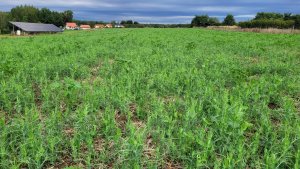 Zostaje do 15 listopada??
 -
Obroty bębna w soi niskie. A jaka masz średnicę bębna? Ja 45cm kosiłem przy 700 obrotach, klepisko lekko opuszczone i ładnie szło. Bez połówek i ziaren za kombajnem w strąkach
-
Kalibracja prędkościomierza, jeżeli zmieniasz sobie opony np.
-
Zdjęcie sprzed paru lat
-
No właśnie dalej nie wiem co to za rodzaj ziemi. Kopane na tej działce, około 1/3 wygląda właśnie tak:

-
Ja na wrześniowe kopanie też bym brał w ciemno, ale trzeba przyznać. Deszczu miały od siewu pod dostatkiem, jeden tylko okres dłuższy bez opadów. Zdarzało się że kopane miesiąc, półtora później miałem podobne wyniki
-
Netto II, już po odjęciu zanieczyszczeń
-
63t/ha
-
Moje buraki też już odstawione, cukrownia Krasnystaw. Średnia polaryzacja 17,1% średnie zanieczyszczenia 6,54%
-
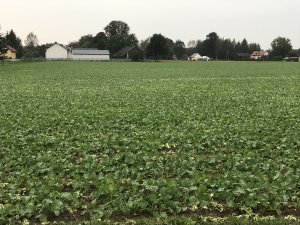 Ale pierwsza regulacja?
 -
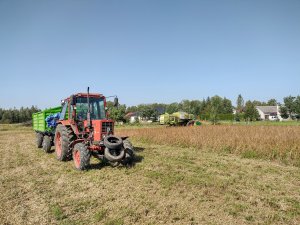 Przy tak niskiej wilgotności nie było problemów z otwieraniem się strąków?
 -
Do wniosku o płatność żadnych poprawek
-
Czerwiec, nie pamiętam którego dokładnie Całość kwoty, nie brałem zaliczek